To some, this vision may sound like pure fantasy, an ideal too distant to ever touch. But pause for a moment and really imagine it: what would such a world look like if smiles were not rare, but a natural part of everyday life?
Perhaps it would mean communities where people feel safe, where kindness is not the exception but the norm, and where opportunities are shared rather than hoarded. It would mean fewer barriers dividing us and more bridges bringing us together.
The real question, then, is not whether such a world is possible, but how we might begin to build it—what choices we must make, what values we must uphold, and what actions we must take to move from dream to reality.
What is ESG and why does it matter?
ESG stands for Environmental, Social, and Governance. It is a way of looking at how a company or organization operates beyond just making money.
It is a framework that comprises three areas that reflect how responsibly an organization operates. It’s not only about financial results but also about the impact a business has on the world around it.
The environmental aspect considers how a company manages its effect on nature, from energy use to carbon emissions, while the social dimension looks at how it treats people, from employees and customers to local communities.
Governance covers leadership, ethics, and accountability in decision-making. Together, ESG paints a picture of whether a company is building value in a sustainable, responsible way — for both people and the planet.
In short, ESG asks: is this business doing good for the world and for people, not just for profit?
Stop chasing! Start attracting customers through ESG to build long-term success
All businesses begin with a core idea — a vision of how to make the world a little better. Sometimes that means creating an entirely new product or service to meet a need that hasn’t yet been fulfilled. Other times, it’s about improving what already exists, refining products or services so they work better, cost less, or bring greater value to people’s lives. At their core, businesses are born from the drive to turn ideas into solutions.
The problem with these businesses is that the majority are primarily driven by profit and shareholder returns, with less concern for sustainability, social responsibility, or ethical governance.
Their actions have caused significant harm to people and the planet. Factories and industrial plants polluted air, rivers, and oceans. Fossil fuel companies drove climate change while denying or downplaying the science.
Corporations in fashion and manufacturing outsourced cheaply, often relying on unsafe factories and underpaid workers. Tobacco and alcohol companies promoted harmful products without regard for public health. Poor governance has led to corruption, exploitation, and scandals.
Recognizing that these corporations make the world pay a hefty price for their profit and are not at all sustainable, ESG, which first emerged in the early 2000s, has become a fundamental framework for new businesses today.
Instead of chasing a bottom line, ESG entities focus on attracting the right talent that aligns with the entire organization and its principles. By cultivating a workforce that is aligned with these inherent values, companies can strengthen their market edge and generate sustainable, long-term value.
And the best way to run a successful, humanity-serving business is to begin with ESG as your core.

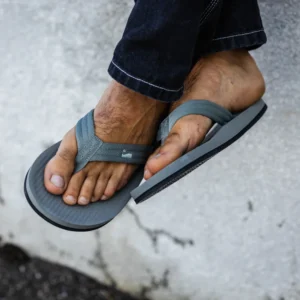
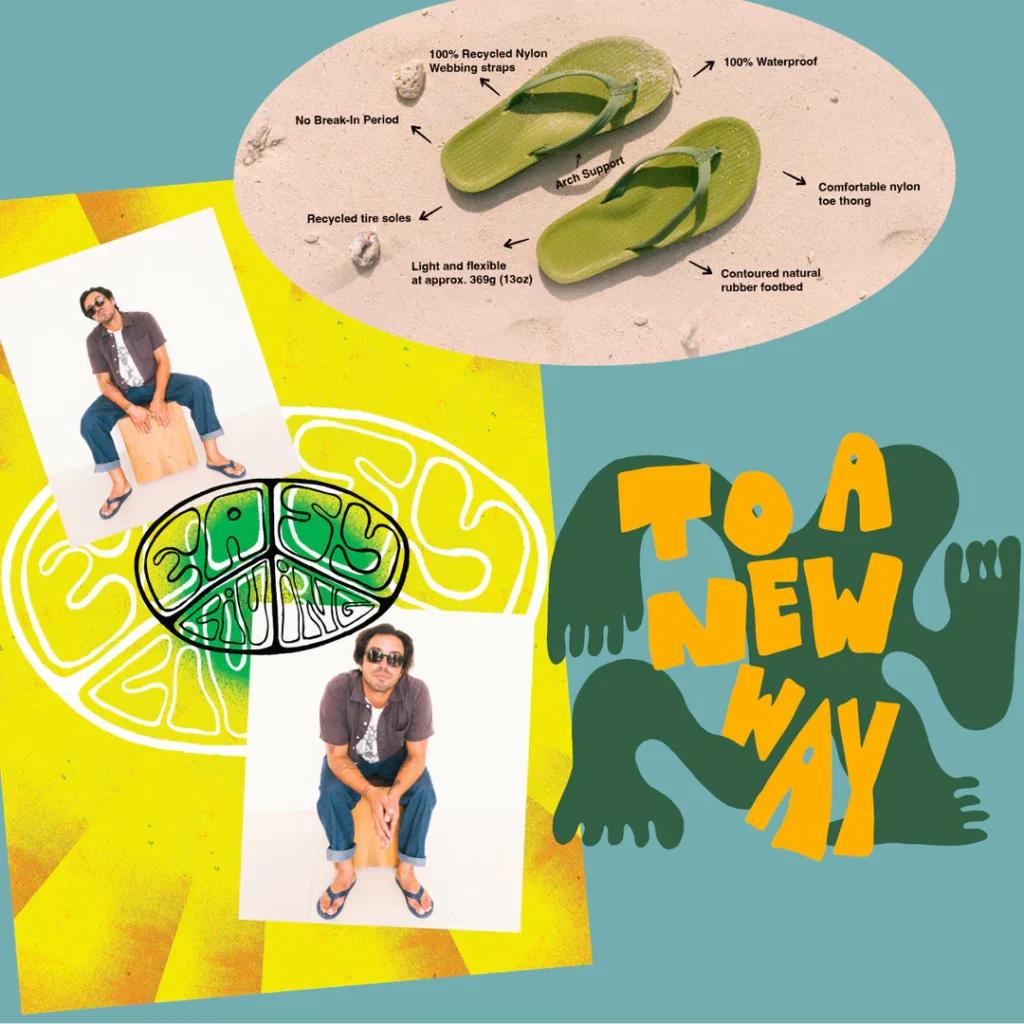
A local environmental problem is the sole driver of Indosole’s global achievements
Indosole began with a simple business idea: blend Bali’s natural beauty and artistic spirit with a practical product that offers a solution to a global pollution challenge.
Founded by Kyle Parsons, he was inspired during a surfing trip to Bali in 2004 where he discovered sandals with soles made from repurposed motorbike tires, prompting him to go deeper into the global tire waste issue.
Unknown to many, billions of tires are discarded each year, piling up in landfills or littering our environment, where they fail to decompose. These abandoned tires become breeding grounds for mosquitoes, spreading dangerous diseases such as malaria, dengue, and Zika. Even worse, some tires are burned as cheap fuel, releasing highly toxic pollutants that harm both the planet and human health.
Officially launched in 2009, Indosole set out to create products that inspire joy while tackling environmental challenges. By transforming discarded tires into durable sandal soles and pairing them with natural, locally sourced materials, the brand captures the simplicity and beauty of Bali.
With a commitment to transparency and ethical practices, Indosole has diverted nearly 150,000 tires from landfills and continues to incorporate other waste materials into its designs. As a certified B Corporation since 2014, the company upholds the highest social and environmental standards, proving that sustainability can enhance both the planet and human well-being.
More recently in 2024, Indosole launched the “Easy Living” series, featuring sandals with the highest recycled content in the industry. This move aligns with their mission to make sustainable products accessible to a broader audience.


Pizza 4P’s started out with a single social mission
Masuko Takasugi, the Japanese CEO passionate about making pizza to deliver joy to the world, started Pizza 4P’s in Vietnam by first asking himself two key questions: what’s his purpose in life and how does he define happiness.
These two questions arose during his teenage years where he experienced unexpected loss and grief. One day, a good friend asked him to build a wood-fired pizza oven from scratch in his garden. Despite his doubts, he finished the oven in six months and started throwing pizza parties.
“All these people who just met each other instantly became friends. This is what pizza and the oven did. It felt magical. It brought people together and brought smiles to everyone’s faces. During and immediately after these pizza parties, people were happy. They seemed calmer and more at peace,” Masuko wrote in his founder’s message on Pizza 4P’s.
Building its operations around its mission statement – “Make the World Smile for Peace” – the company established a comprehensive sustainability strategy around packaging, sourcing, waste management, climate action, and societal engagement, reflecting Pizza 4P’s commitment to responsible governance and transparency.
Pizza 4P’s sources ingredients from local farmers, supporting regional agriculture, and fostering social responsibility. The company also offers workshops on topics such as pizza-making, candle-making, and indigo-dyeing, providing guests with hands-on experiences that promote sustainability and cultural awareness.
More recently, the company adopted a circular system at its Xuan Thuy restaurant, utilizing earthworms to compost approximately 70kg of food waste per month.
Pizza 4P’s is experiencing rapid growth, supported by the company’s commitment to quality and sustainability. As of 2025, the company operates 40 locations across five countries in Vietnam, Cambodia, Japan, India, and Indonesia while maintaining a strong presence in major Vietnam cities such as Hanoi, Ho Chi Minh City, and Da Nang.


The need for better corporate governance is why Tony’s Chocolonely was formed
“[Tony’s Chocolonely is] actually an impact company that happens to make chocolate,” Afdhel Aziz wrote for Forbes.
Three journalists from the Dutch TV show “Keuringdienst van Waarde” founded Tony’s Chocolonely in the Netherlands in 2005. They created the company after discovering that the world’s largest chocolate manufacturers were using illegal child labor and modern slavery to produce their cocoa.
Tony’s Chocolonely’s only mission, therefore, is to end all exploitation in the cocoa industry.
The company intentionally sources its cocoa from Ghana and Côte d’Ivoire because these two countries produce over 60% of the world’s cocoa. They are also where the biggest challenges exist, they explained on their website:
- 1.56 million children in cocoa farming families are engaged in child labor.
- 30,000 people are victims of forced labor.
- 60,000 hectares of tropical forest have been cleared for cocoa production since January 2019.
They build direct, long-term partnerships with cocoa farmers in Ghana and Côte d’Ivoire which cuts out intermediaries, ensuring farmers receive a fairer share of the profits.
“At Tony’s our main mission is to fight for equality and fairness – it inherently affects how we aspire to do business. This is why we cannot idly stand by and be silent as black people in America and worldwide continue to suffer under the oppressive weight of racism. We must speak out against inequality and violence caused by racism,” states Tony’s Chocolonely.
Tony’s Chocolonely also pays a higher price for its cocoa. This price isn’t just a premium – it’s calculated to help farmers earn a living income, which is crucial for tackling poverty, a root cause of child labor and modern slavery.
The company’s entire business model is built on transparency. By tracing its cocoa from the bean to the bar, it holds itself accountable and provides a clear example for the rest of the industry. Tony’s encourages other chocolate manufacturers to adopt its Sourcing Principles, inspiring broader systemic change.
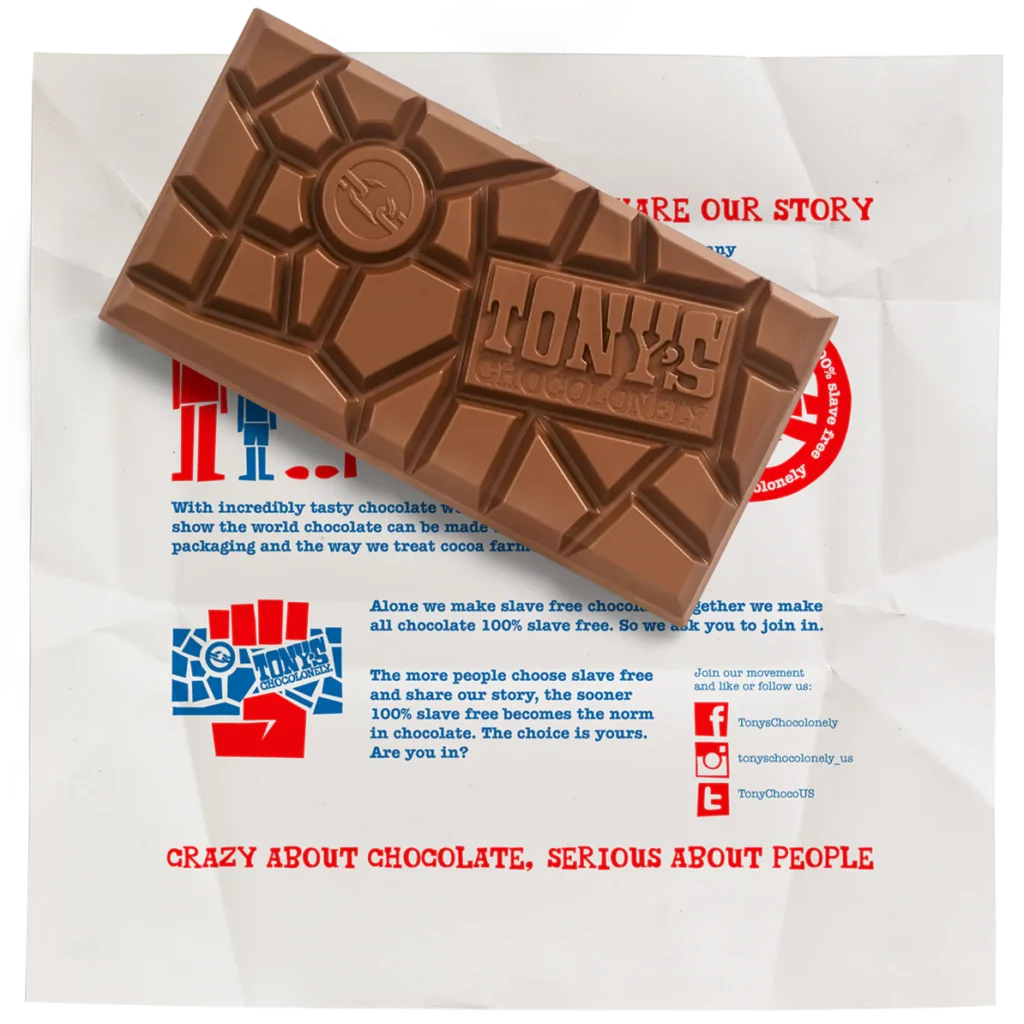
A nice touch on the design of the chocolate bar – The sections are unequally divided as a reminder of the inequality in the chocolate industry.
Looking to integrate ESG commitments into your brand? Reach out for a chat on what’s possible.